 “She Thought It Was Just Twins — But What the Doctor Said Changed Everything…”
Julia was a mother of six, already a seasoned parent, but nothing could have prepared her for what happened during her seventh pregnancy  . She and her new husband, Alexander, were thrilled — twins! Or so they thought.
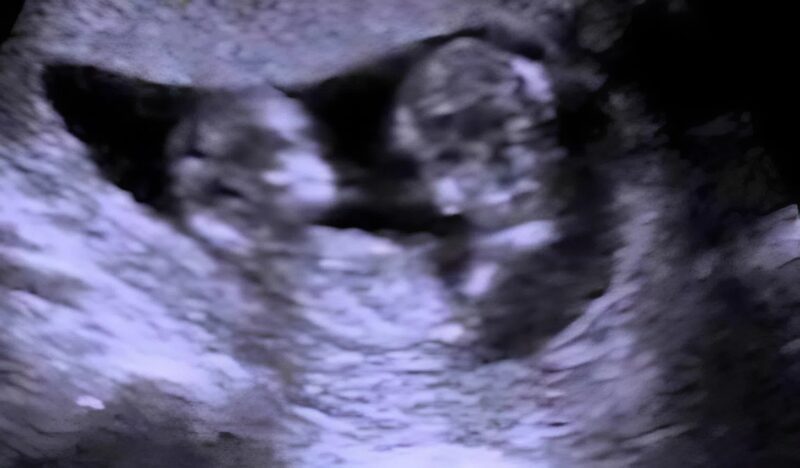
When the day of the ultrasound arrived, Julia lay on the table, heart pounding with excitement  . The doctor stared at the screen in silence for what felt like forever. Then, in a calm, almost indifferent voice, she said something that made Julia’s blood run cold:
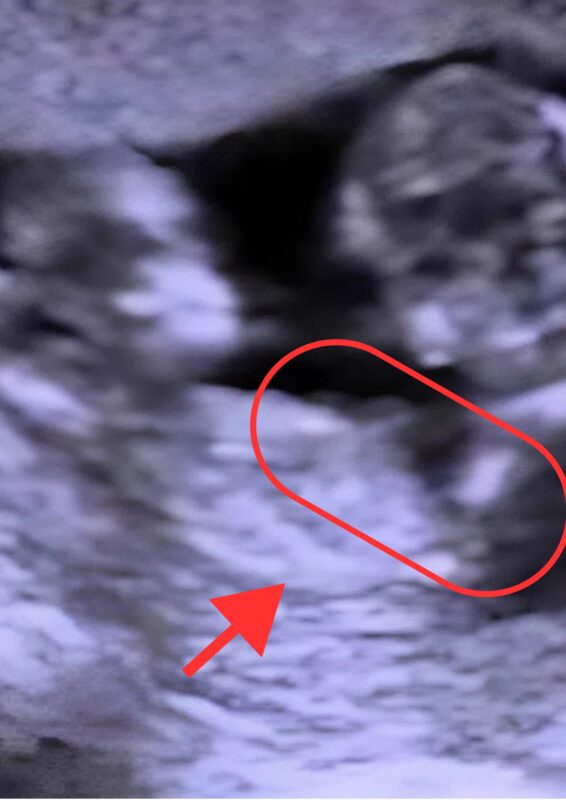
“Here are two heads… two babies… they’re lying face to face… but wait— they’re not hugging. They’re connected.” 
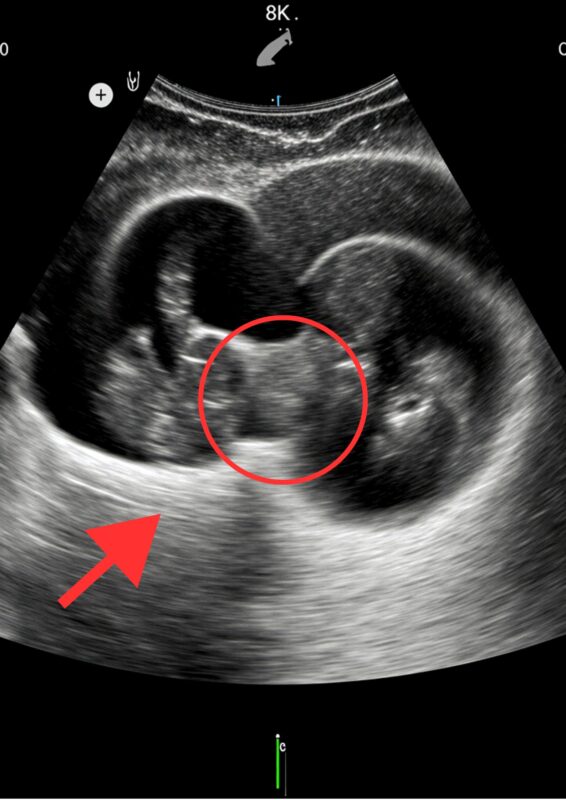
Julia froze. Her smile disappeared as the doctor explained that the babies were conjoined at the abdomen, sharing a small part of their liver and the abdominal wall. Though they were developing normally, this tiny fusion could become a huge problem later.
“I remember picturing them,” Julia said later, tears in her eyes  . “Two little babies stuck together for life, looking at each other forever. I imagined feeding them — one spoon for one, another for the other… How could they ever live freely?”
Her husband Alexander tried to be supportive at first, but as the reality of the situation sank in, he began to distance himself. His love, Julia realized, was conditional — he saw only the financial burden the babies might bring  .
.
One evening, he simply disappeared. Gone without a word.
Julia’s world collapsed  . Doctors suggested ending the pregnancy, warning of the risks. But she refused — “They will live,” she said firmly. “Whatever happens, I’ll love them, I’ll care for them. I don’t care if I never sleep again.”
Months later, she gave birth in Moscow through a carefully planned C-section  . “It was surprisingly peaceful,” Julia recalled. “The doctors were kind, calm, and everything went smoothly. When I heard them cry for the first time… I knew I’d done the right thing.”
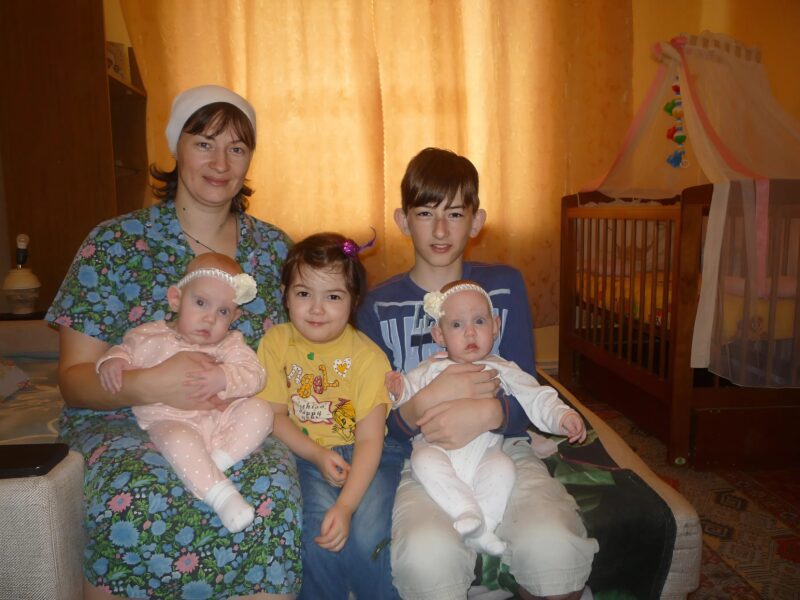
She named them Lia and Maya  . Tiny, fragile, yet full of life. For weeks, the medical team studied how to safely separate them. The girls shared only a small section of tissue and part of the liver — the chances were better than anyone had dared hope
  .
.
When the day of the surgery came, Julia couldn’t even pray. She just sat in silence, staring at the door of the operating room, her hands trembling  . Hours later, the doctors emerged with smiles — “It went perfectly.”
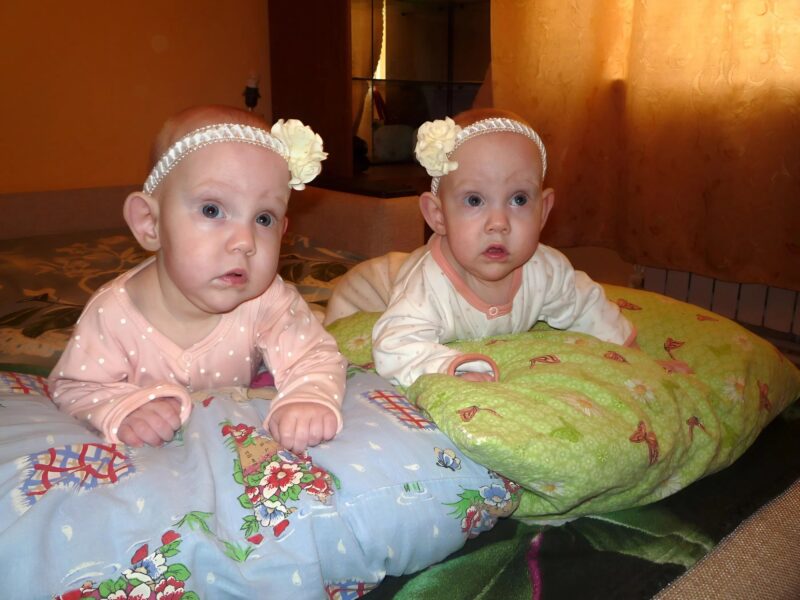
Julia broke down in tears of relief  .
.
Years passed, and today Lia and Maya are nine years old  . Bright, cheerful, and full of talent — they dance, sing, draw, and laugh like any other children

 . “They’re truly incredible,” Julia beams with pride. “They’re so creative, so alive. They’ve turned pain into strength.”
The girls know their story. “Mom told us we were connected by our tummies,” Lia giggles. “We were facing each other, hugging.”
They still fight sometimes — like all siblings do  — but their bond is unbreakable. They share more than DNA; they share a miracle.
Julia often looks at them and whispers to herself:
“They were given a 2% chance to live… and they took that chance.” 
And indeed, Lia and Maya are living proof that love, courage, and a mother’s faith can overcome even the rarest odds